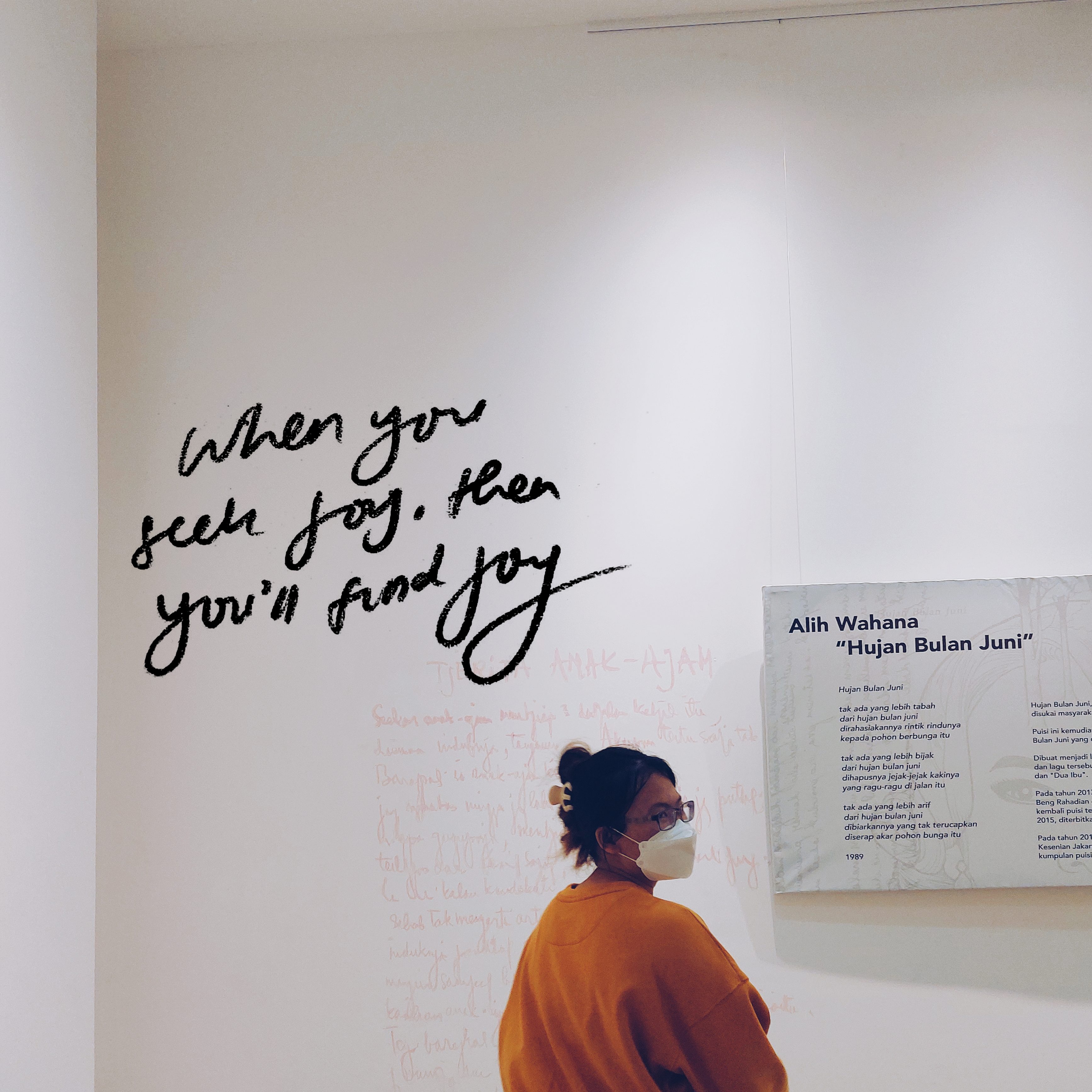
I read somewhere that when we learn something new, our brains make a ‘new path’. Just like when we solve a math problem, even when we think it has nothing to do with our practical lives, it still affects our brains – making our minds sharp. This process is called neuroplasticity.
By actively engaging in behaviours that support neuroplasticity, you can strengthen cognitive function and potentially reduce the risk of age-related decline. (https://www.health.harvard.edu/)
Challenging Our Brain to Strengthen Our Mind
Apparently, there are many ways to sharpen our minds or cognitive functions. It involves a combination of mental, physical, and social activities. A variety of activities, such as eating nutritious food, exercising regularly, managing sleep, and challenging our brains, can keep our minds sharp throughout the years.
And I realise that after finishing school, I think it became rarer for me to spend time learning for something with no specific purpose. Yet recently I happened to start learning a language for its own sake.
Jag Lär Svenska! – I am learning Swedish!
I must admit that initially I started learning Swedish as part of my manifestation when I applied for the Swedish Institute Scholarship for my master’s degree. But then, I already had my streak going on the Duolingo app, plus I had already purchased and joined a family package for the Pro version.

Well, I am not going back. I remember the fact that I haven’t really learned anything new in such a long time and decided to continue learning Swedish for no specific/practical reason. I must say there are days when I don’t feel like working on the exercises, but maintaining the streak and finishing the daily and monthly missions gives me some sort of fulfilment.
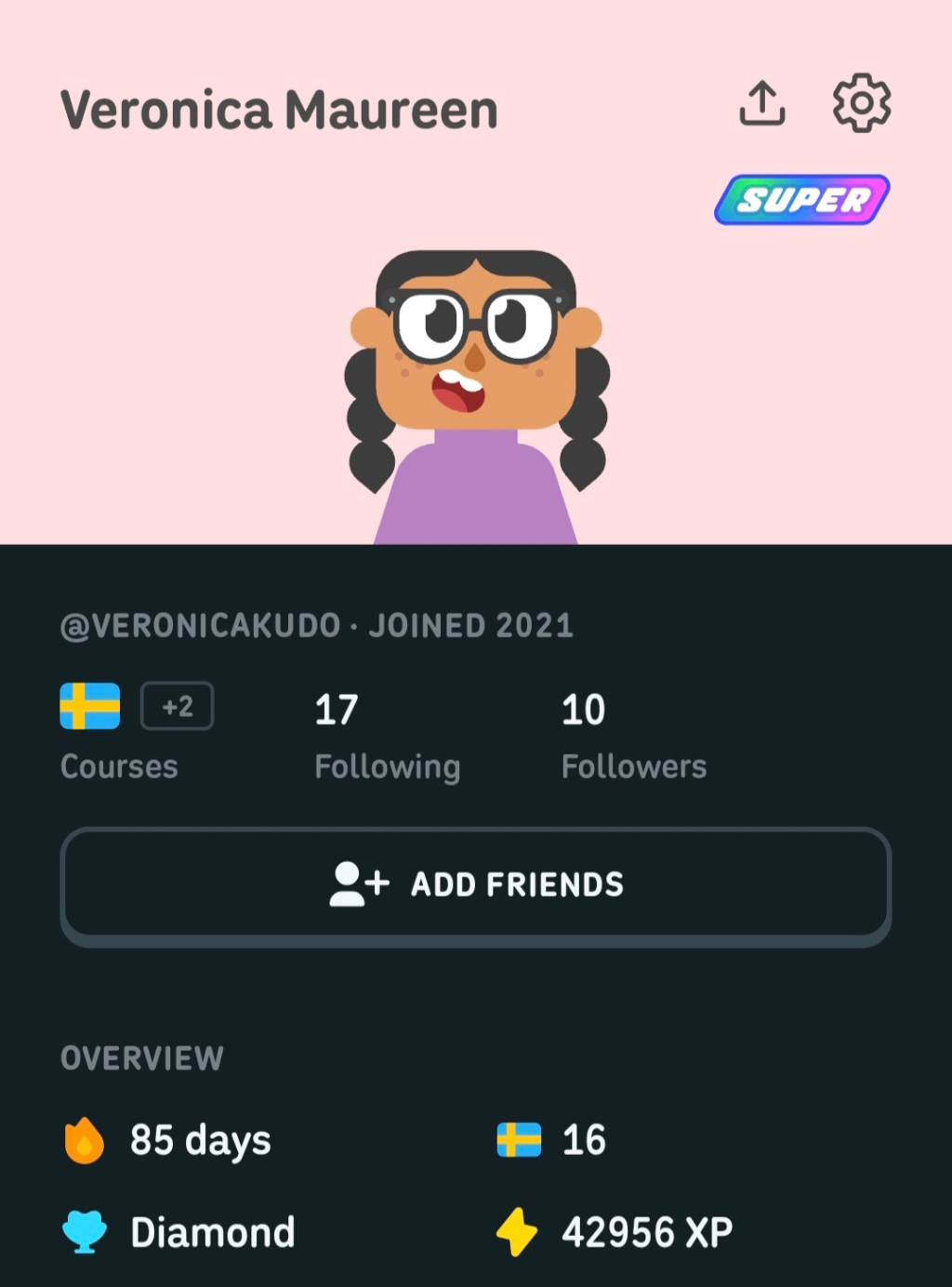
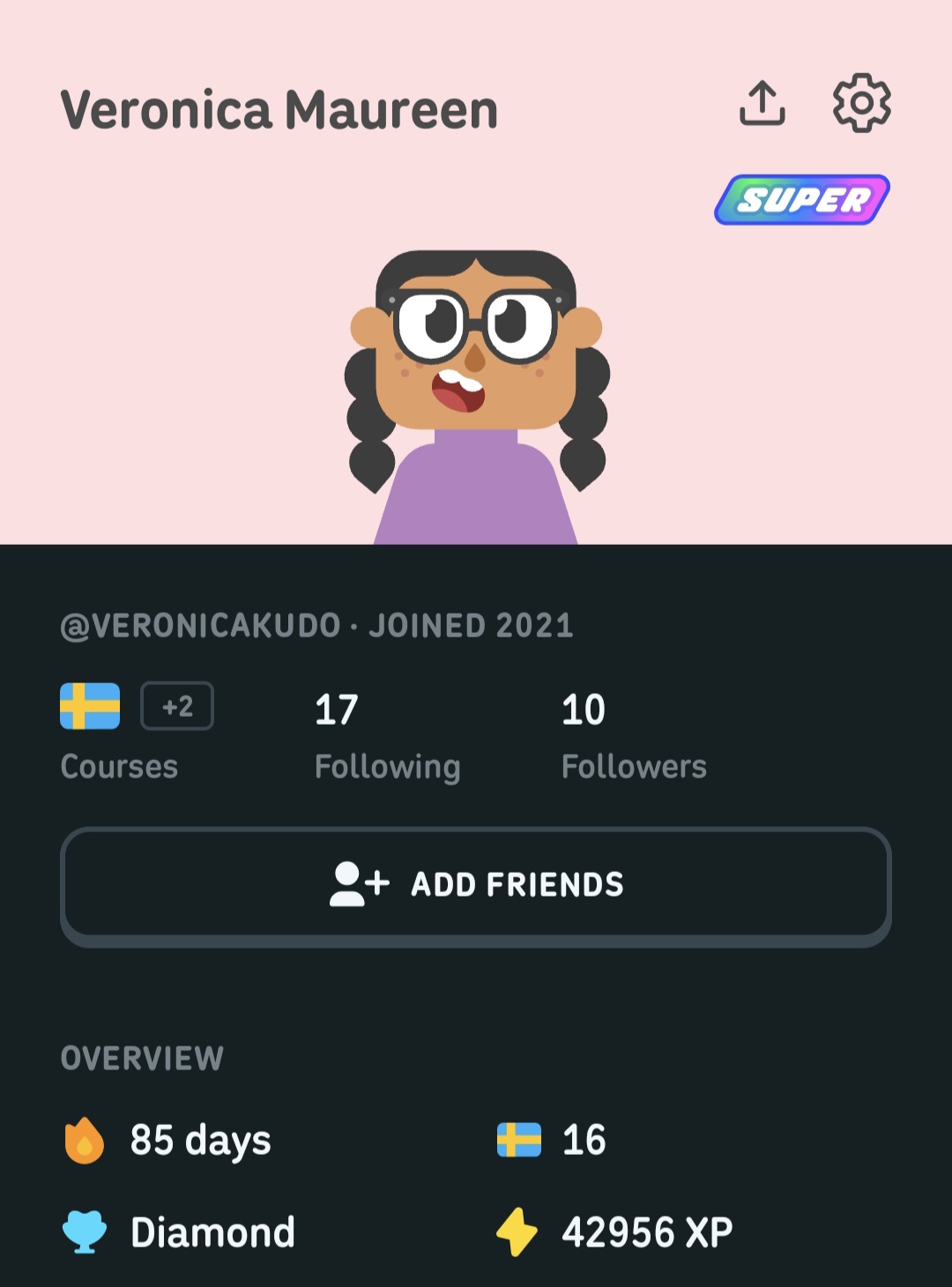
I am on my 85th day on my streak and I’ve reached level 16 on my Swedish lesson. I know I can keep my streak by learning other languages as well, but I haven’t really considered them. (Also, I know some of my friends who are learning chess on Duolingo as well!).
Some sentences I can write in Swedish
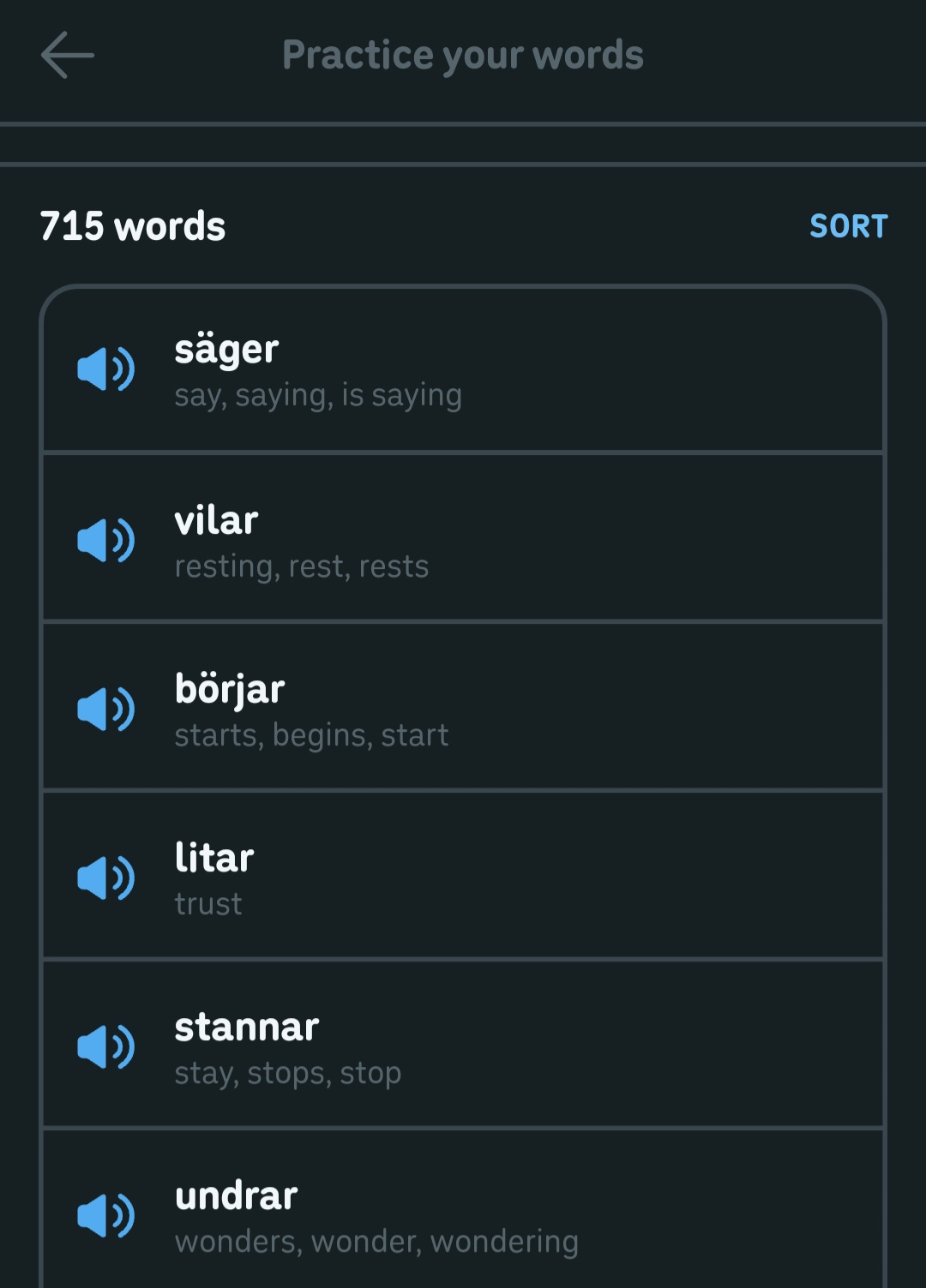
Based on the information in the account, I have learnt 715 words! I must say, although I can memorise most of the words, it is hard since Swedish has many forms of words for one word. For example: a book = en bok, books = boker, the book = boken, the books = bokerna. Not to mention, it has accent as well that will differentiate how it’s pronounced.
Here are some simple sentences that I can make based on what I’ve learnt so far:
- Jag vill alltid ha nya böcker. (I always want new books)
- Jag har en katt som heter Kiikii. (I have a cat named Kiikii)
- Jag började lära svenska i mars. ( I started learning Swedish in March)
- Jag fodd i Surabaya. ( I was born in Surabaya)
- Vegetarianer äter inte kött, men äter frukter. (Vegetarians do not eat meat, but eat fruits)
- Jag tycker om att läsa böcker. (I like reading books)
As I mentioned, I can memorise the words, but creating a sentence is way harder. But yet once again, reminding myself that I learn this for the sake of learning itself, no need to be perfekt! Some words actually similar to what’s in English and Indonesian.

 VERONICAKUDO
Leave a comment